• We Left Our Hearts in San Francisco (Plus Napa Valley)

    Aside from wine & cheese, there are not many pairings better than a visit to beautiful San Francisco & Napa Valley for a long weekend trip. Read on for a sample 6-day intinerary to San Francisco & Napa Valley, on a budget.

    Note: This post was originally written in 2014.
    6-Day San Francisco & Napa Valley Itinerary

    Day One: Travel Day
    Accommodations: Days Inn, San Bruno, CA

    On our way! We landed at the San Francisco airport just after dinner time. Our evening accommodations were the Days Inn in San Bruno, about a 5 minutes ride on the hotel’s free airport shuttle.

    Day Two: Calistoga, California (Napa Valley)
    Car Rental: Enterprise, San Bruno, CA
    Accommodations: Calistoga Inn, Calistoga, CA

    Napa Valley or bust! With a two hour drive from San Bruno to Calistoga in Napa Valley and an afternoon full of wine tasting ahead of us, waking up bright and early was a must. First on the agenda was picking up the rental car we would use for the next few days of the trip. Since the San Bruno Enterprise was a few miles from our hotel, Enterprise conveniently sent out someone to pick us up and drive us to the Enterprise location to rent our Nissan Versa (the cheapest rental car available!). Everything about the car rental was easy, and we enjoyed a pleasant 1 hour 45 minute drive to Calistoga.

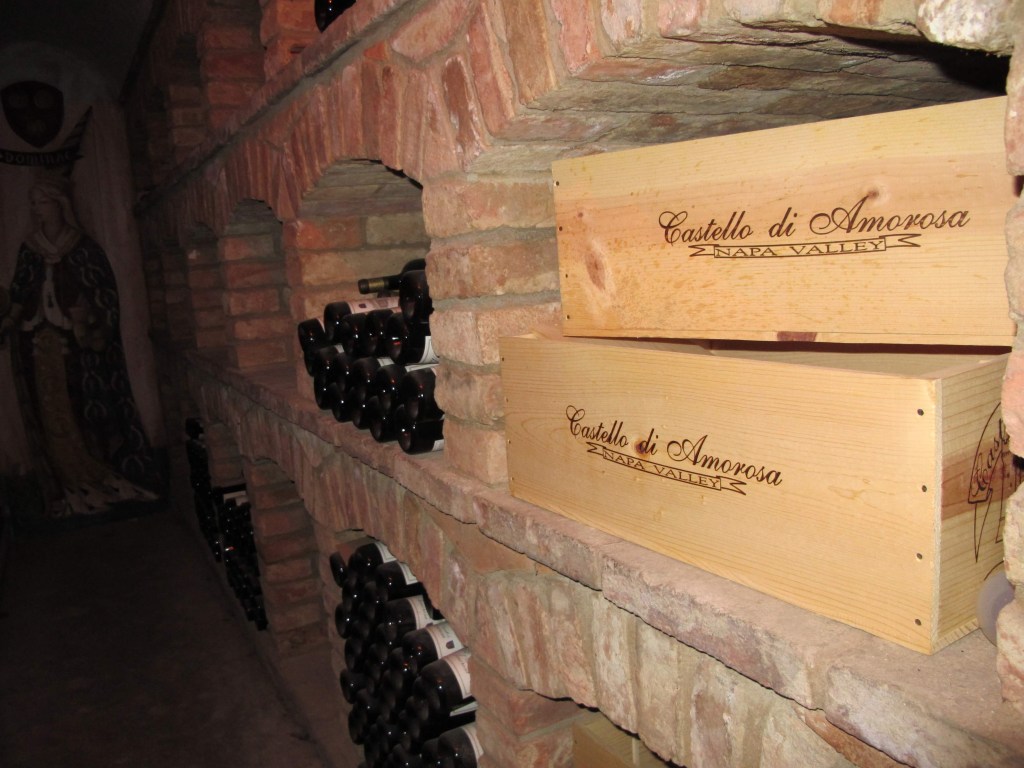
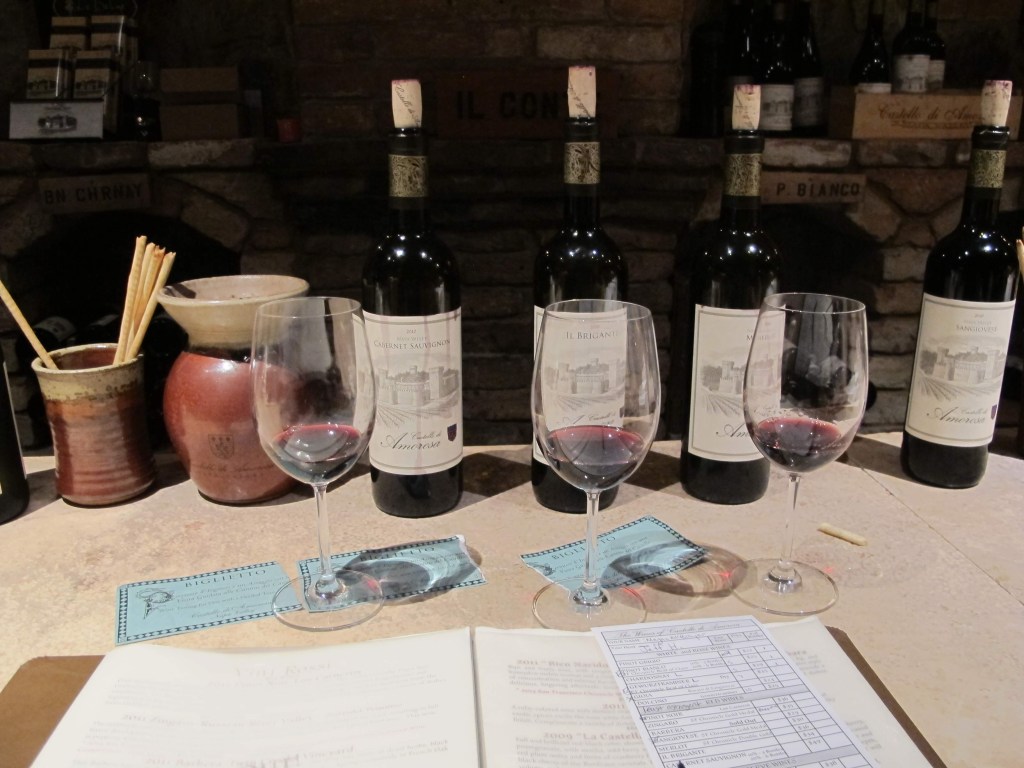
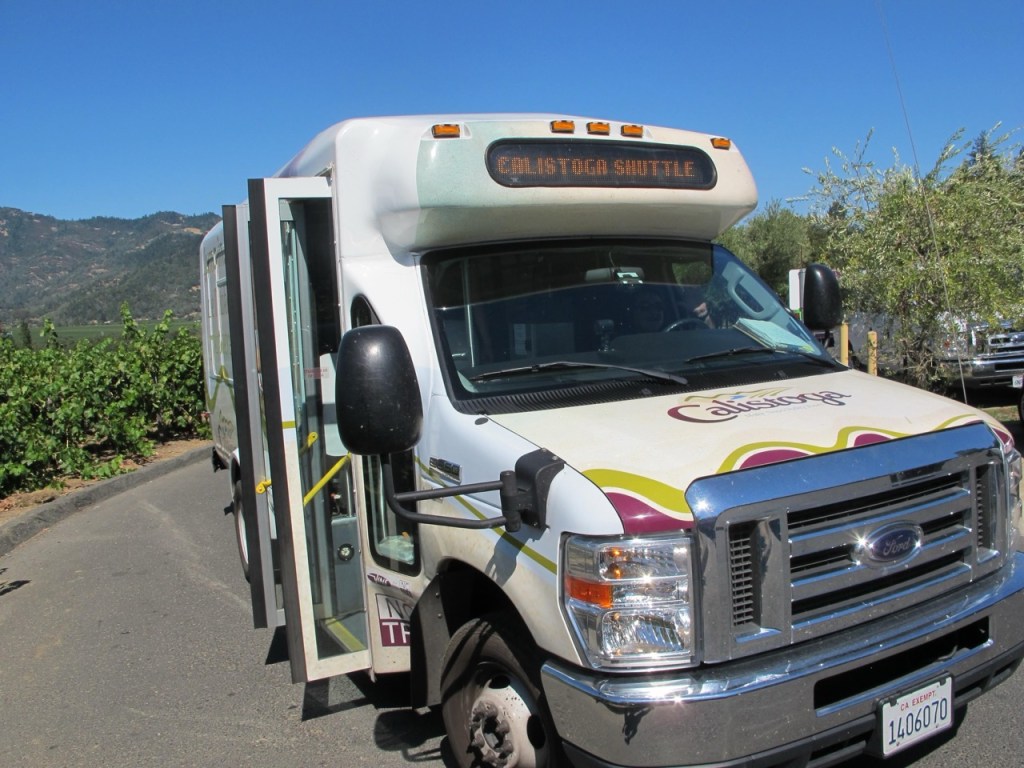
    After eating a quick lunch in quaint, downtown Calistoga (imagine Calistoga as being almost exactly like Stars Hollow from Gilmore Girls, just not as cold), we checked into the Calistoga Inn and began our afternoon of wine tasting. We took the free Calistoga Shuttle to visit 2 wineries, Castello di Amorosa and Sterling, and a tasting room across from our hotel called Vermeil Wines.

    Day Three: San Francisco
    Accommodations:   Intercontinental Mark Hopkins, San Francisco, CA

    After a 45 minute drive, we arrived in San Francisco. First on our list though was riding down Lombard Street, the curviest street in the world (okay, not sure if that’s true, but it was very curvy!). As we navigated to the hotel, we learned there’s nothing much scarier than trying to drive a tiny compact car up and down the very hilly streets of San Francisco!

    We checked into our hotel at the Intercontinental Mark Hopkins, parked at a nearby parking deck so we could keep the rental car, and then uber-ed to Fisherman’s Wharf for dinner where we enjoyed award-winning chowder at Fog Harbor Restaurant. Though the restaurant was nice, I think we all would have preferred something a little more local for dinner. There were tons of food stands set up around Fisherman’s Wharf that I think would have been good to try. Oh man – Fisherman’s Wharf is a tourist trap if I ever saw one.

    Day Four: Twin Peaks, Muir Woods & Sausalito

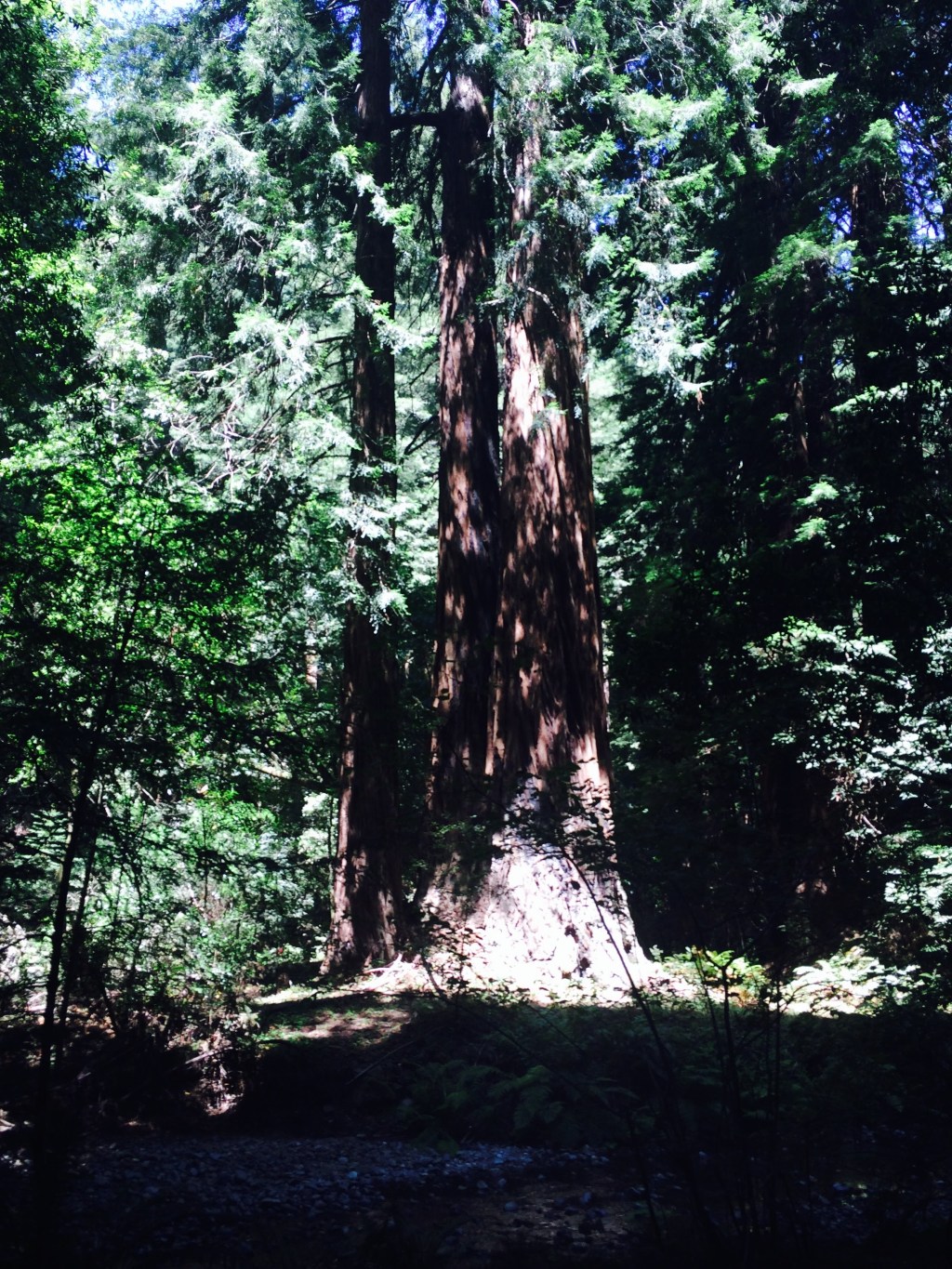
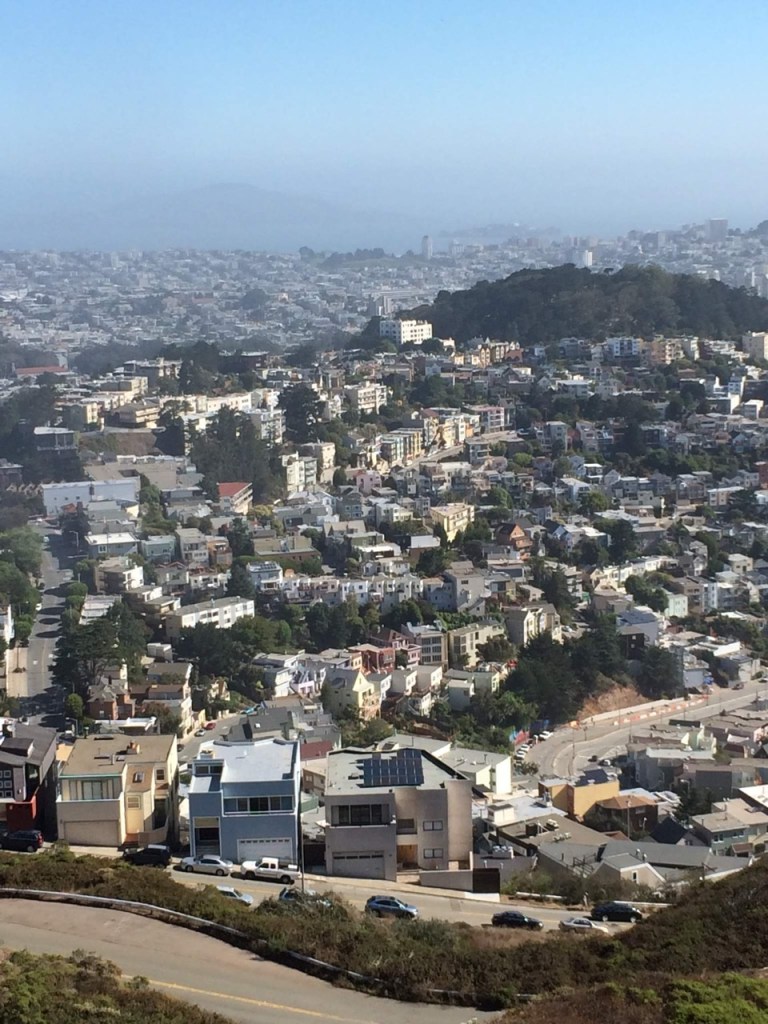
    We still had our rental car so we used day four to take advantage of some sights located just outside the city. We started the morning at Twin Peaks, the second highest point in the city and a place that not so coincidentally offers fantastic views of the Bay Area. A 40-minute drive took us to Muir Woods National Monument, one of the few coastal redwood forests left in the world – and the place where all the apes escape to in the 2011 remake of Planet of the Apes.

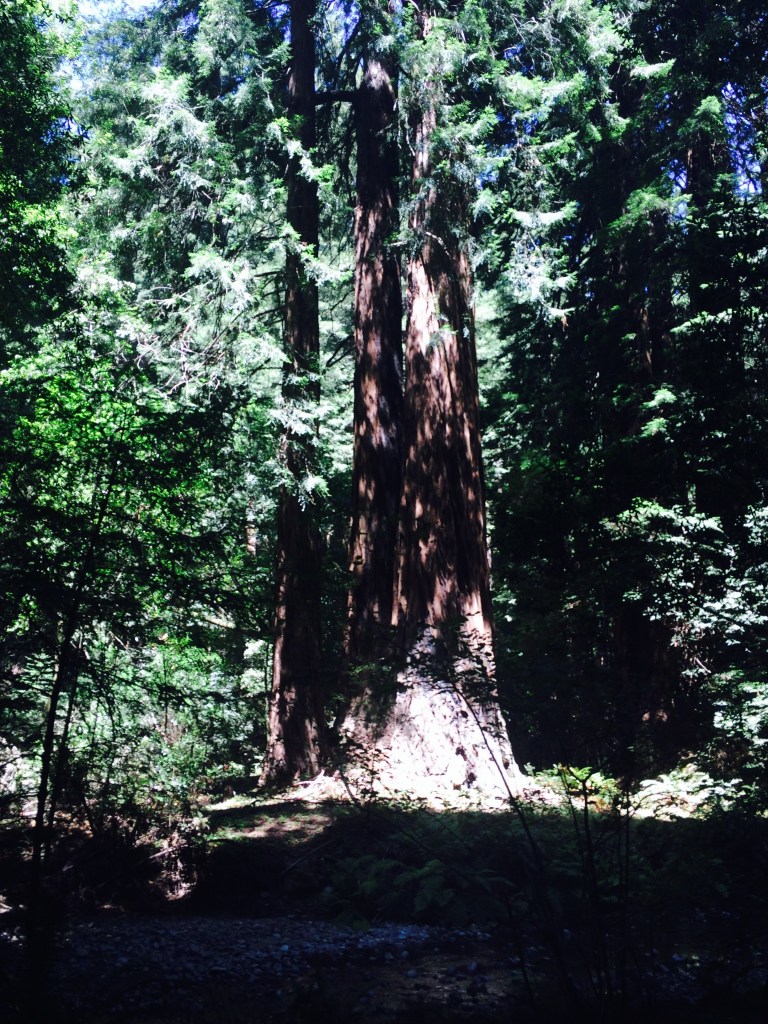
    It’s a humbling experience to stand at the trunk of a very, very tall tree in Muir Woods!

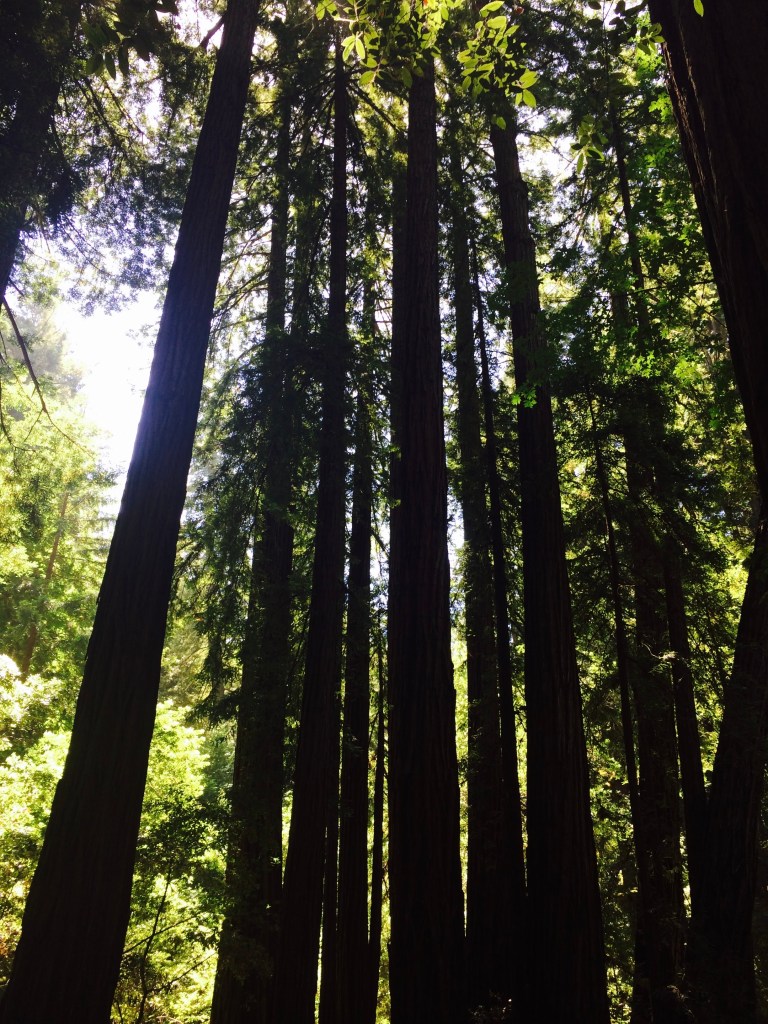
    We took about an hour to walk among the majestic redwoods and then continued our day in Sausalito’s, a 20 minutes drive away. We arrived in Sausalito just in time to enjoy a seafood lunch at Salito’s where we enjoyed a peaceful lunch on the deck, overlooking the water. Sausalito is a cute town full of tourists, bikers and ice cream.

    No time to stop now! From Sausalito, it was about a 20 minute drive back to the city to Fisherman’s Wharf where we returned our rental car. Though the Enterprise location closed early on Saturday, Enterprise had a very easy way to return the car after cars.

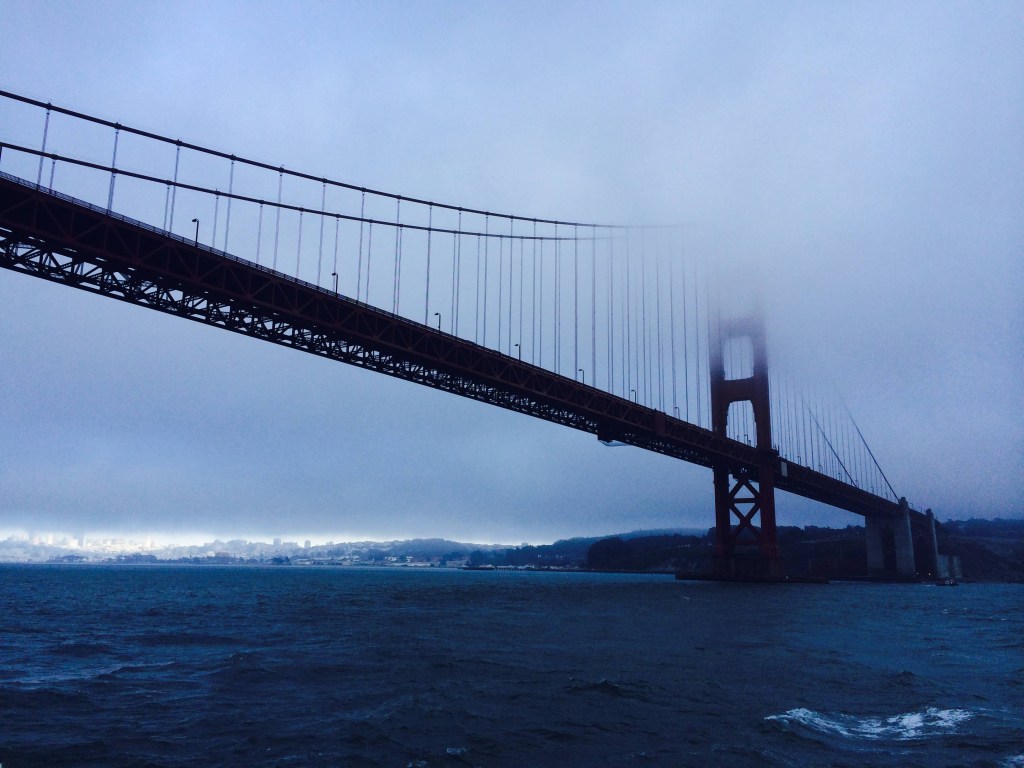
    We caught a very windy and cold (but still fun!) Blue & Gold Fleet Boat Tour from Fisherman’s Wharf. We saw the Pier 39 sea lions and rode underneath the Golden Gate bridge. We even got to ride very close to Alcatraz which we were excited about since we were unable to get tickets to go to the island. Advice: if you want to visit Alcatraz, definitely book your tickets before you arrive.

    On our way back to the hotel to change for dinner, we stopped by Coit Tower and took a quick photo op to recreate Abbey Road on the hilly streets of San Francisco…because why not?

    We enjoyed dinner and drinks at Mikkeler Bar, a pub in the Tenderloin. Then we stopped by a pretty cool rooftop bar in Mission district called el Techo de Lolinda that we recommend checking out.

    Day Five: San Francisco & Travel Day

    One of the hardest things about traveling is feeling the pressure of picking a great restaurant every time you eat and today proved no different. After searching on Yelp for a nearby restaurant for lunch, we decided on a hole in the wall restaurant near our hotel, which turned out to be pretty good, at least for a quick bite to eat.

    Our tour continued with a ride on the infamous cable cars (including the opportunity to hang off the sides). We took the cable car from near our hotel to Ghiardelli Square where we just had to stop for Ghiardelli ice cream and enjoy a view of the bay!

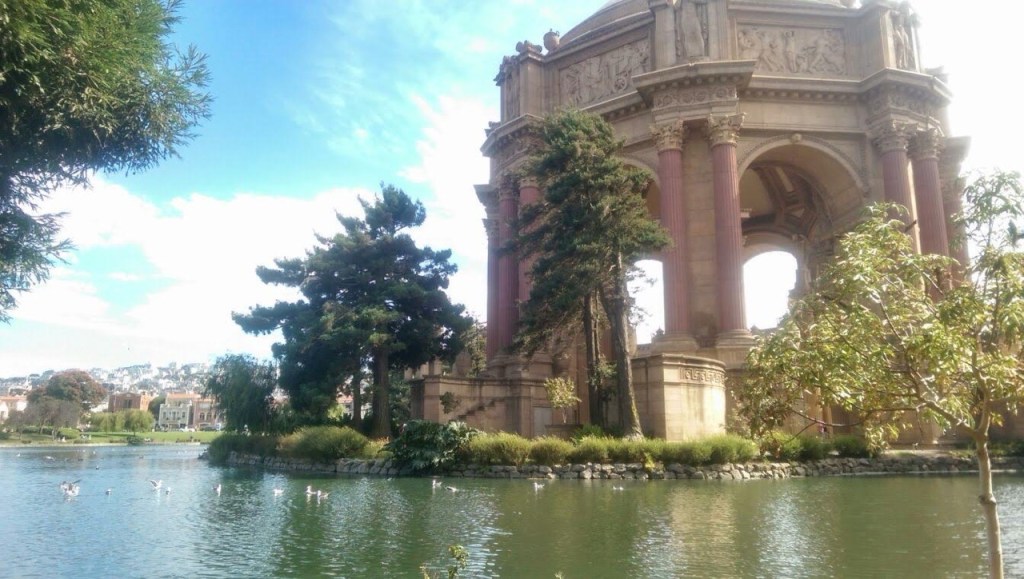
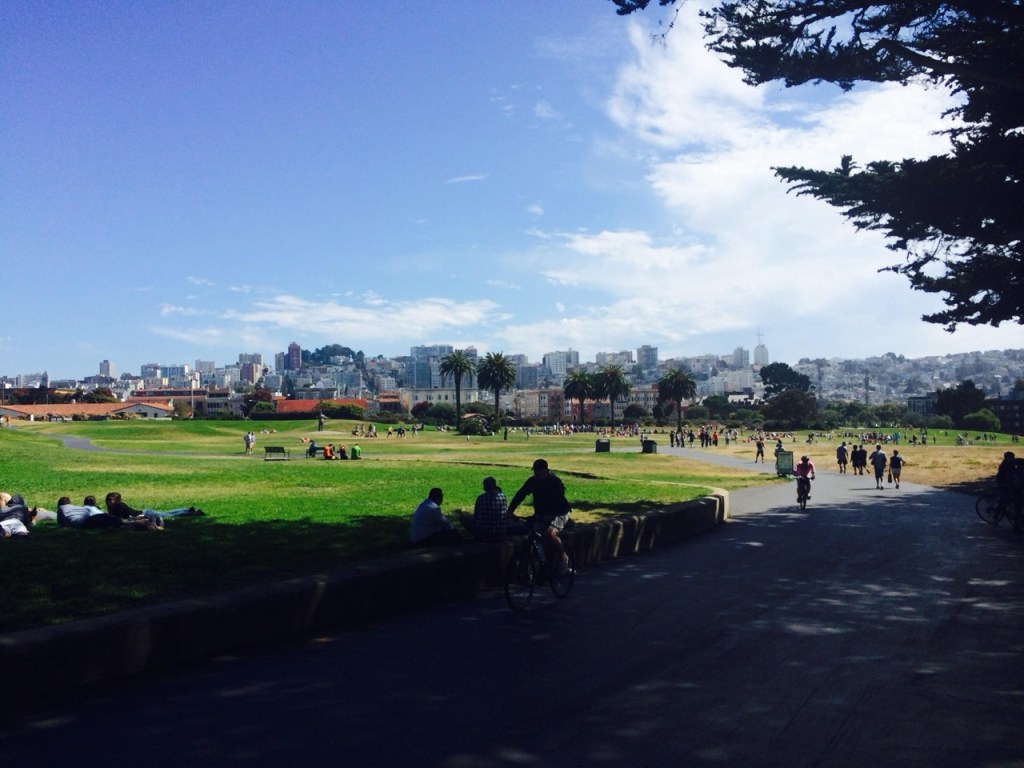
    We took a leisurely walk along the Bay to Fort Mason to the Presidio, a park that rests in the shadow of the Golden Gate bridge. I was struck by how many people were working out, relaxing, socializing and playing football at the Presidio. The Palace of Fine Arts, originally constructed for the 1915 Panama-Pacific Exposition, was just around the corner. After admiring the architecture, it was time, once again, to eat.

    We had several bottles of wine from Napa Valley that we couldn’t take back with us on the plane so we found a BYOB Thai restaurant just off Ellis St. in Tenderloin.

    Day Six: Travel Day

    Time to return home. What an amazing trip. If you’d like to read more details about all of the places we visited on this trip, make sure to click on the hyperlinks in the article above to learn more.

    We truly left our hearts in San Francisco and can’t wait to go back!

  • Calistoga Inn Restaurant & Brewery

    Claim to Fame: Quaint, affordable accommodations near Napa Valley wineries
    Location: Calistoga, California
    Website: http://www.calistogainn.com

    Note: This post was originally written in 2014.
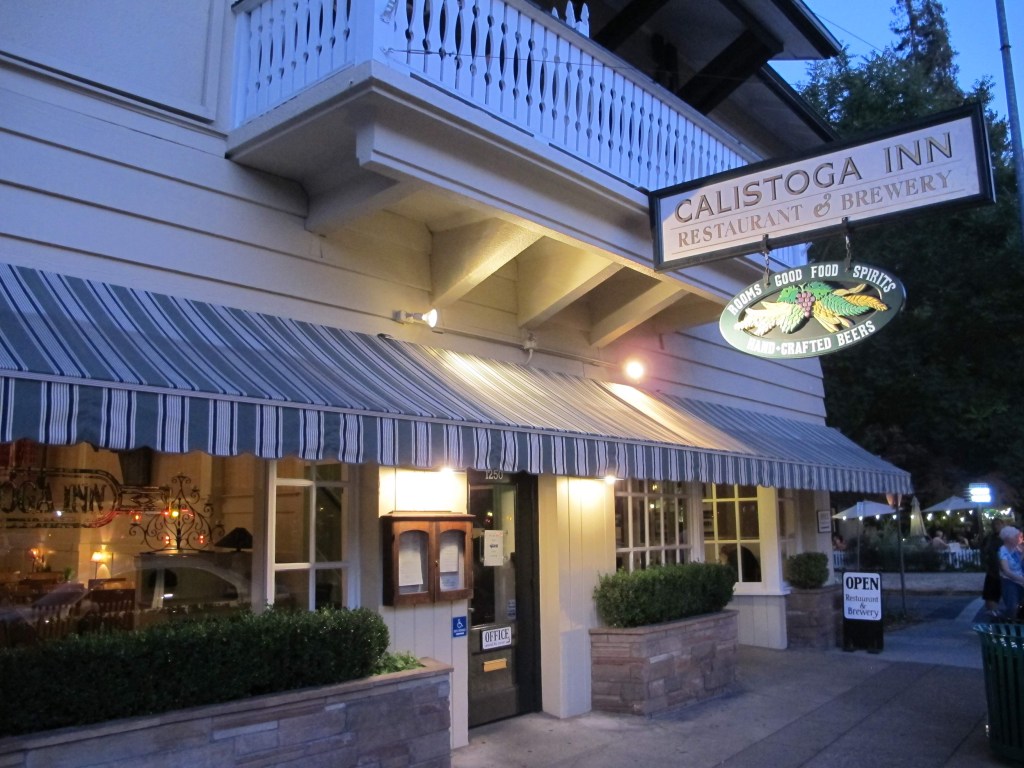
    During our short time exploring the wineries in Napa Valley, we spent one night at the Calistoga Inn Restaurant & Brewery located in Calistoga, California. The small town of Calistoga is a very quaint, peaceful place to stay in Napa Valley, and the Calistoga Inn was no different.

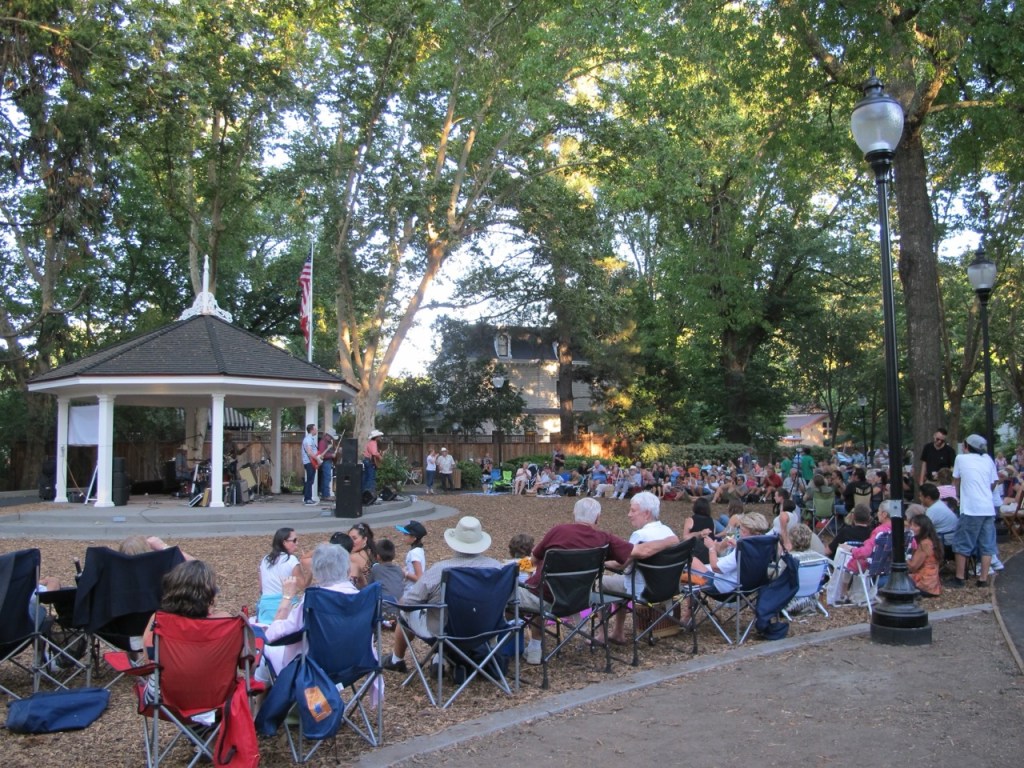
    The Calistoga Inn Restaurant & Brewery is located on the main street running through town. It’s an easy walk to different restaurants, shops and the Visitor’s Center. There is even a small park just across the street were we stumbled upon a live concert (It felt very Stars Hollow – from Gilmore Girls).

    The Calistoga Inn has seventeen rooms, all located upstairs, above the restaurant and brewery. With gingham bed spreads and light-colored furniture, the room felt very comfortable and airy. Since we had 3 people and the room had one double bed, the hotel made a pallet on the floor for our third person. The room had no TV, but we did have access to Wi-Fi so staying here was a great way to get unplugged. Though the room had no adjoining bathroom, the room did have a sink which was very helpful. The community bathrooms were located just down the hallway and were well-kept and clean. Stop by the book nook on the way back to your room for some reading material before bed.

    A continental breakfast was included the next morning of our stay. Since breakfast hours were before the restaurant opened, breakfast was set out downstairs in the sunny dining area. Breakfast felt very Californian and consisted of granola, peaches, yogurt, milk, orange juice and coffee.

    One thing we didn’t really realize before booking was that there was no air conditioning so the room did get a bit hot while we were sleeping. Windows can open but brought in any noise going on in the street.

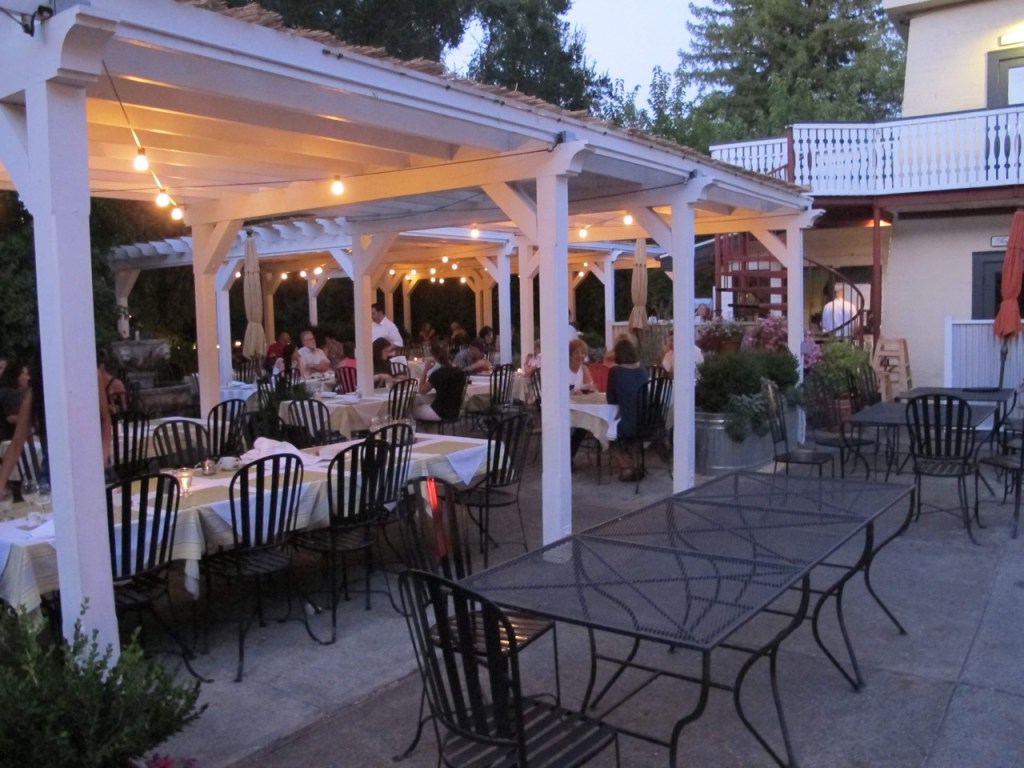
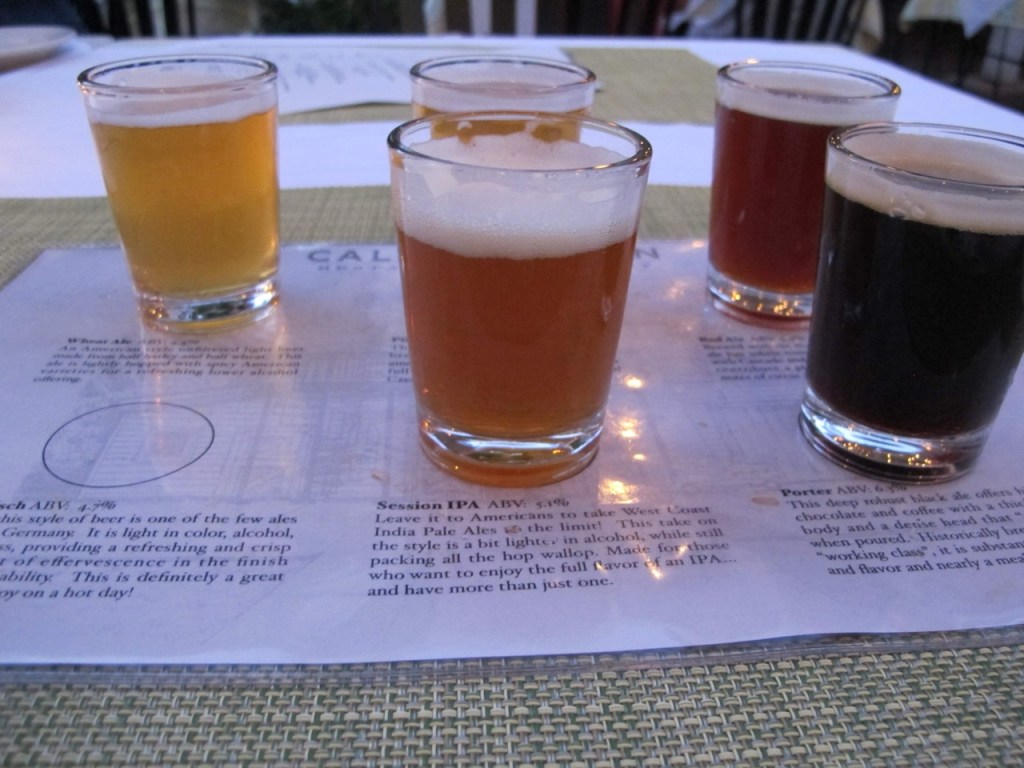
    We also recommend eating dinner or grabbing drinks at the Restaurant & Brewery.

    The Calistoga Inn is very affordable, especially in comparison to hotels in the surrounding area, so if you can live without private bathrooms, electronics and air-conditioning, then we highly recommend staying at Calistoga Inn.

  • Castello di Amorosa

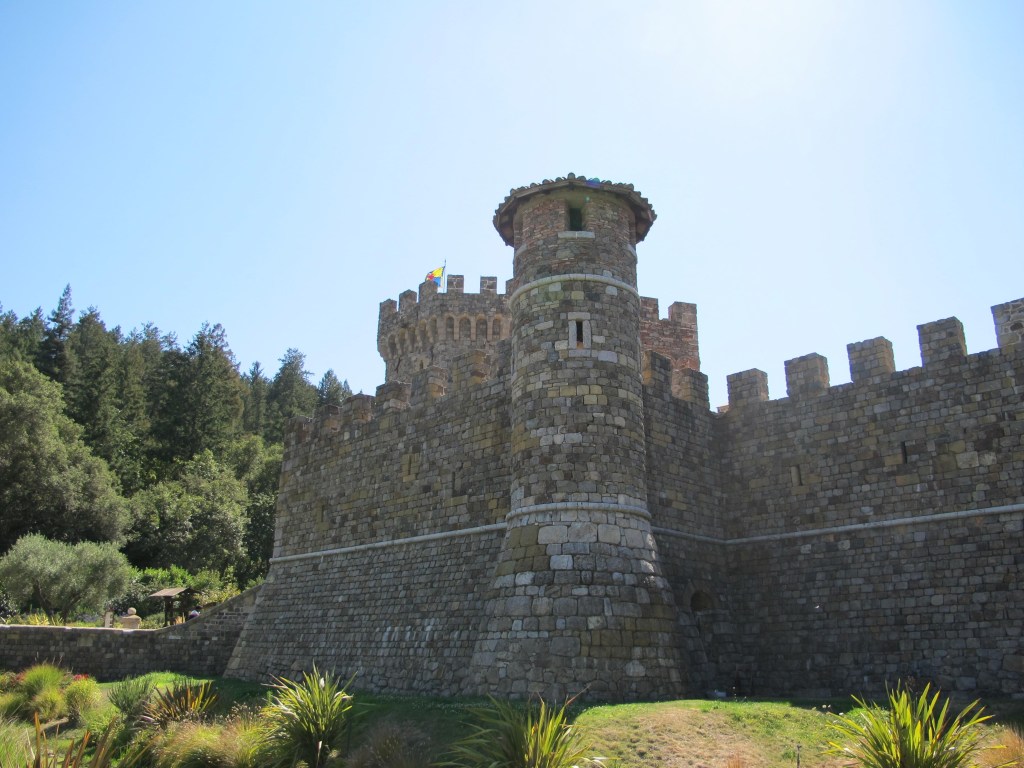
    Claim to Fame: Authentic medieval Italian castle/winery
    Location: Napa Valley in Calistoga, California
    Website: http://www.castellodiamorosa.com

    Note: This post was originally written in 2014.
    Castello di Amorosa was the first winery that we visited on our San Francisco/Napa Valley Trip. Like, I think most wineries in the area do, Castello di Amorosa had a couple different options to explore the winery. We opted for the guided tour and tasting package, just a little more expensive than the general admission option.

    The guided tour & tasting package includes a tour of the castle grounds and then a tasting of five premium wines/six high-end wines at the end of the tour. General admission lets you explore the castle yourself and end with a tasting of five wine premium/six reserve wines.

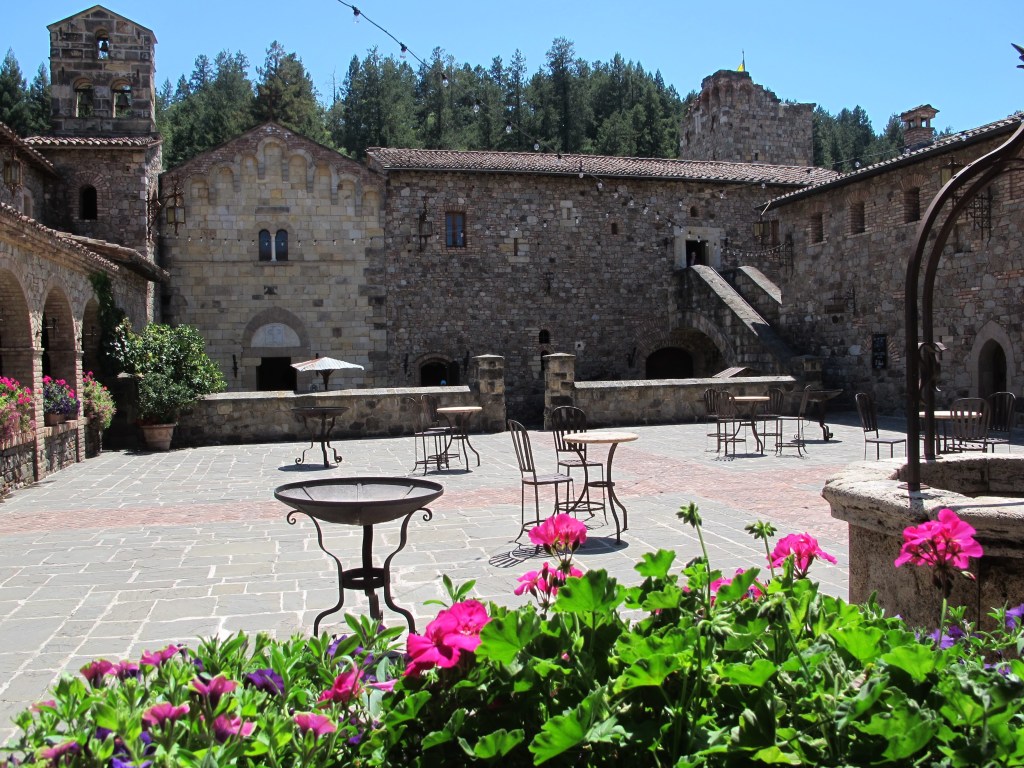
    We had a great guide named Jeff that explained to us about the history of Castello. Built from 2003-2007 reflective of castles of 13th and 14th century Tuscany castles. Using only building materials and methods from the 13th and 14th century (and a few modern touches such as wheelchair ramps, sprinklers and exit signs), Castello is an authentic medieval castle and is complete with a moat and even torture chambers.

    It really was a crazy feeling to be standing in “medieval surroundings” that were actually built in this century.

    Though slightly touristy, overall, we really enjoyed this winery. The guided tour was very informative and gave us a history of this particular winery along with a quick introduction on making wine, which was especially helpful since this was our first winery of the day. If you’re going to multiple wineries on your visit to Napa Valley, I would highly recommend getting a guided tour at at least one of the wineries, and I think Castello di Amorosa was a good choice for a guided tour since it has such an interesting story.

    The guided tour took us through the Courtyard, the Great Hall, the dungeon (with medieval torture devices!), and the barrel room. The tasting was a fun experience and Jeff was very knowledgeable about the different wines we were tasting.

    One thing I noticed was that each winery we visited had a unique hook to grab you in. For Castello, it was the authentic medieval castle. At Sterling, the next winery we visited, it was a gondola ride from the parking lot up to the actual winery. Though we didn’t actually get to taste wine at the Chateau Montelena, highlighted by the movie Bottle Shock, we did explore the winery’s Chinese Gardens.

  • Muir Woods National Monument

    Claim to Fame: One of last remaining coastal redwood forests in the world
    Location: 12 miles north of San Francisco, California
    Website: http://www.nps.gov/MUWO/planyourvisit/index.htm

    Located 12 miles north of San Francisco, Muir Woods National Monument is wonderful escape from city life and city activities. The park gets crowded quickly, so come early to explore this majestic redwood forest. During our visit, we spent about an hour exploring Muir Woods but could have easily spent more time. We were pressed for time and stayed on the main pathway, which was flat and easy to navigate (no hiking shoes needed), but the park has numerous trails branching off from the main path to explore even further.

    In 1908, President Theodore Roosevelt declared Muir Woods a national monument to help protect the redwood forest from destruction. It was a very amazing, peaceful and humbling experience to walk among redwood trees that range from 400-800 years old and 250 feet tall. (parksconservancy.org).

    The park has a cafeteria to grab lunch, water or snacks and readily available restrooms. Check the program board to see what talks and guided tours are being offered that day or purchase a self-guided program to go at your own pace.

    As of 2018, parking and shuttle reservations are required to visit – click here for more information.

    We highly recommend taking a short trip out to Muir Woods National Monument if you have the time.

  • Bryce Canyon National Park Overview

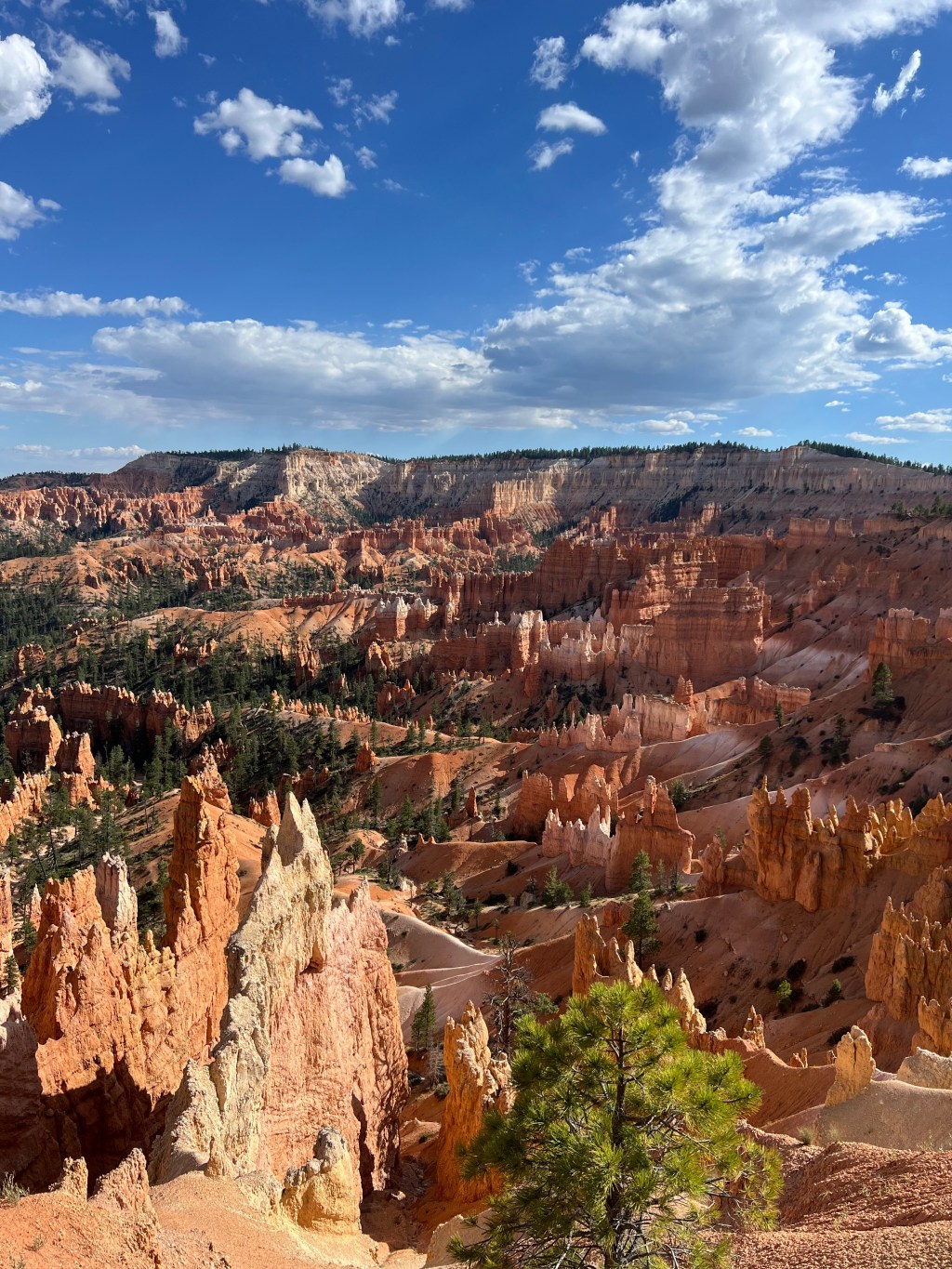
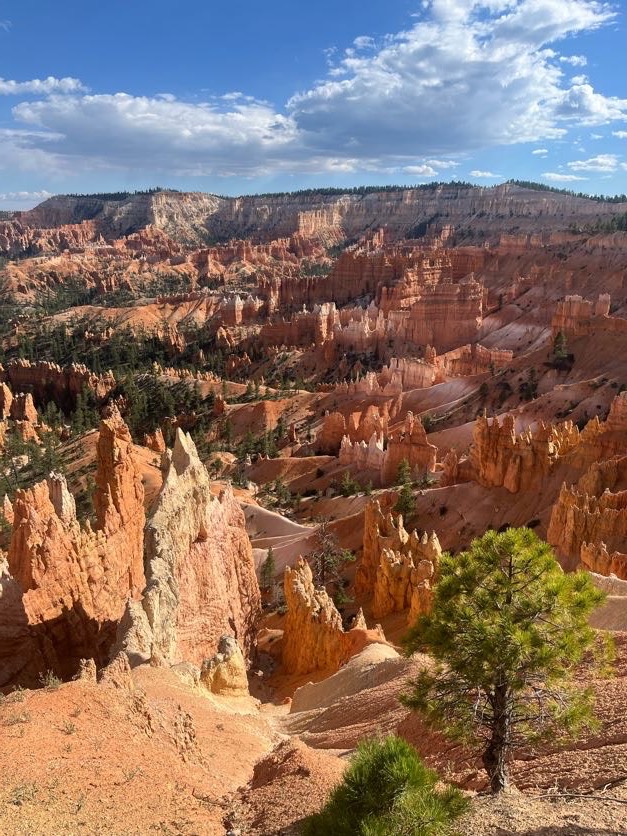
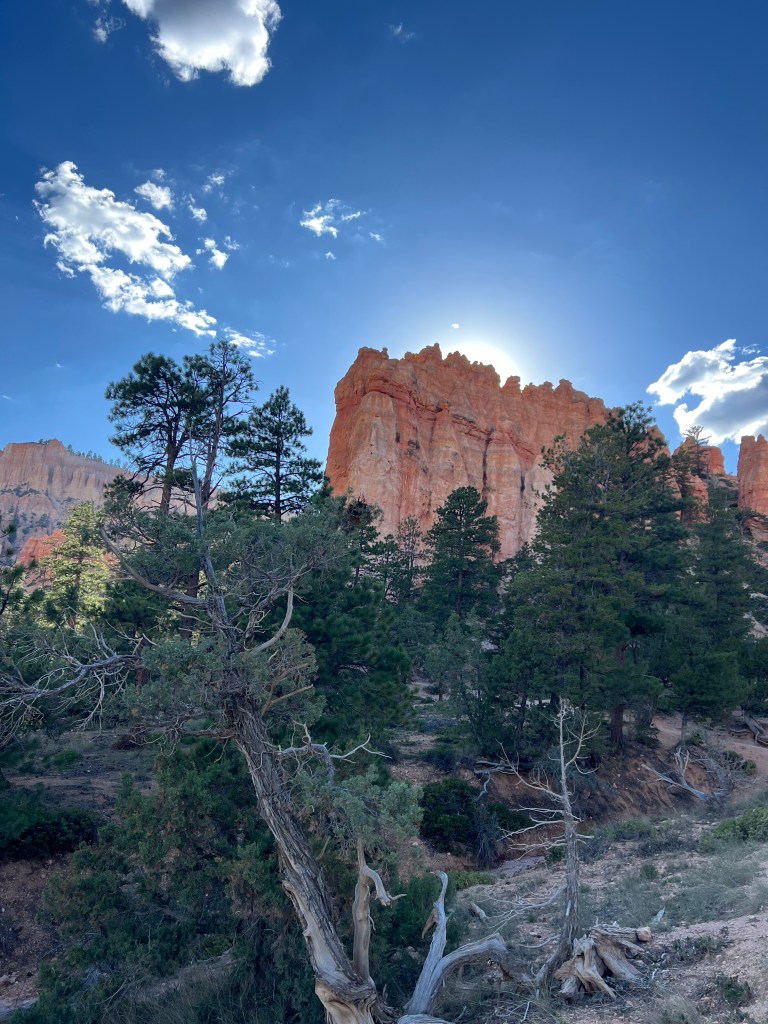
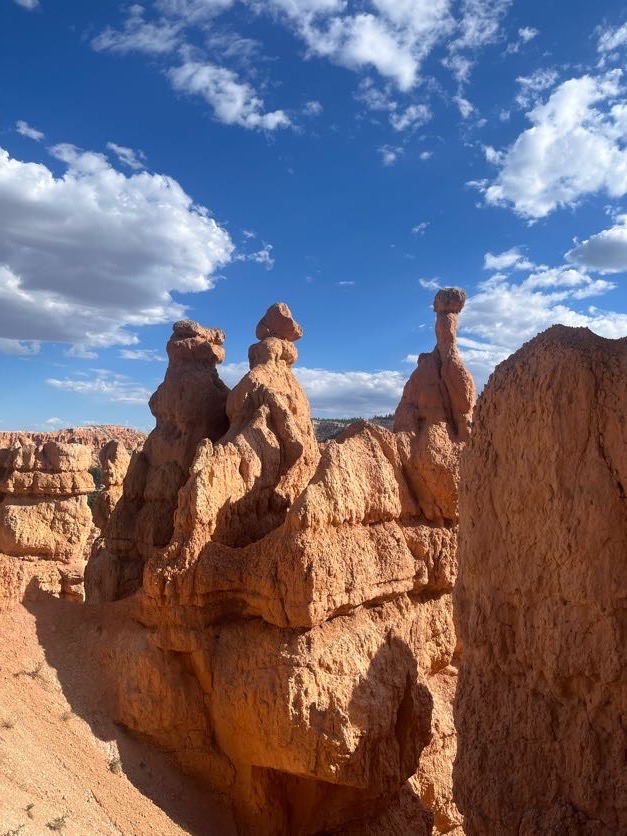
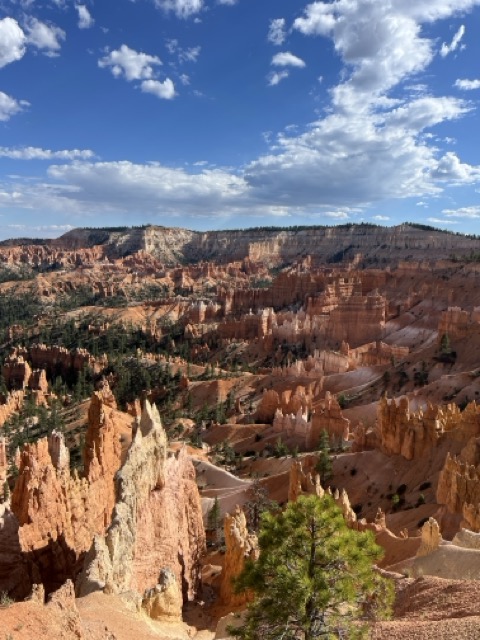
    Walking through the hoodoos at Bryce Canyon National Park really felt magical, and I wish we had spent more time in this park. While we only spent an afternoon here, I would recommend staying the night so you can experience sunrise inside the park and do some star gazing. Bryce Canyon is the second national park my partner and I visited on our Grand Circle National Parks Road Trip in August 2024.

    About Bryce

    Bryce Canyon National Park is famous for its hoodoos and ampitheaters carved into the plateaus. The Bryce Ampitheater is one of the most famous spots in the park, which is within walking distance to The Lodge at Bryce Canyon, the only lodging inside the park. Nearby are the 4 most famous views: Bryce Point, Inspiration Point, Sunset Point, and Sunrise Point. The park has an 18 mile scenic drive to enjoy as well.

    Getting There

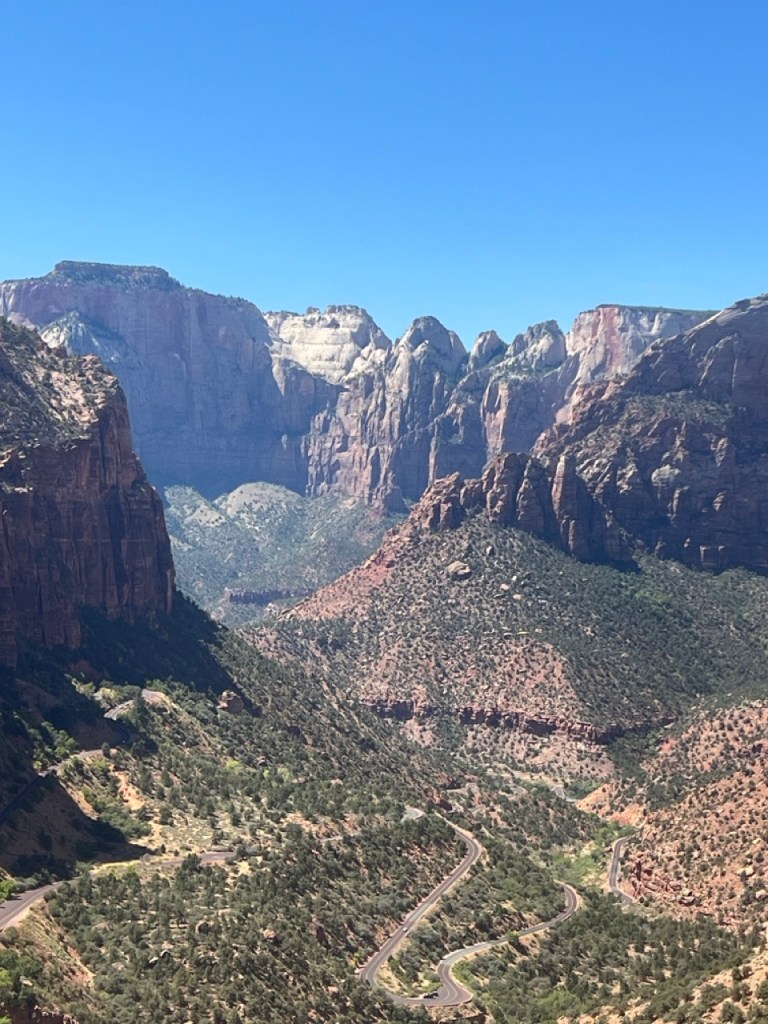
    • Bryce Canyon National Park is about a 2 hour drive from Zion National Park (taking the scenic drive from the Zion Canyon Visitor Center through the Mount Carmel Tunnel)
    • Time Zone: Mountain Time

    Where to Stay

    • The Lodge at Bryce Canyon is the only hotel lodging inside the park
    • Directly outside the park in Bryce Canyon City, there are a few hotels such as Ruby’s Inn RV Park & Campground
    • Tropic, Utah is about 15 minutes away from Bryce Canyon National Park and has several hotels

    Hikes

    • Navajo Loop Trail paired with the Queens Garden Trail for a 2.9 mile hike with 600 feet of elevation, providing quintessential Bryce Canyon views. This is the hike that felt very magical as you can walk down into the hoodoos and through the forest floor.

    Activities

    Restaurants

    • Inside the Park – check out the Lodge at Bryce Canyon Restaurant, offering breakfast, lunch and dinner. The General Store also offers grab and go meals, such as pizza and sandwiches. Valhalla Pizzeria and Coffee Shop is also recommended.

    Recommendations

    • Definitely spend some time hiking – we loved the Navajo Loop and Queens Garden Trail paired together.
    • Though we werent’ able to do this on our trip, if I could do our trip over again, I’d look at staying inside the park at the Lodge at Bryce Canyon. Staying at the Lodge would make it easy to take advantage of watching sunrise over the hoodoos and star gazing in this certified International Dark Sky park. The Lodge is also right next to the Bryce Ampitheater, one of the most famous spots in the park and where you can start the Navajo Loop and Queens Garden Trail hike.
    • Take the 18 mile scenic drive and listen to the Shaka Guide app for a GPS guided audio tour with excellent narration and information to enjoy as you drive in the comfort of you vehicle. I first used the Shaka Guide on the Road to Hana in Maui, Hawaii, thought it was awesome and well worth the money (very reasonable prices!), and later found out the app has tours available at most of the U.S. National Parks.

    Next Stop

    Planning a Grand Circle National Park adventure? Our next stop was Capitol Reef National Park.

    • Getting to Capitol Reef National Park: It’s about a 2 hour and 10 min drive from Bryce Canyon to Capitol Reef. Torrey is the closest city to Capitol Reef.
    • Note: If you were planning to head to Moab next (to see Arches and Canyonland National Park), I’d recommend driving to Moab by way of Capitol Reef National Park. It only extends your trip a bit, and it’s worth the time and the scenic drive to make a pit stop through Capitol Reef on your way to Moab.

  • Zion National Park Overview

    One of my favorite national parks of all time is Zion National Park! This is the first national park my partner and I visited on our Grand Circle National Parks Road Trip in August 2024.

    About Zion

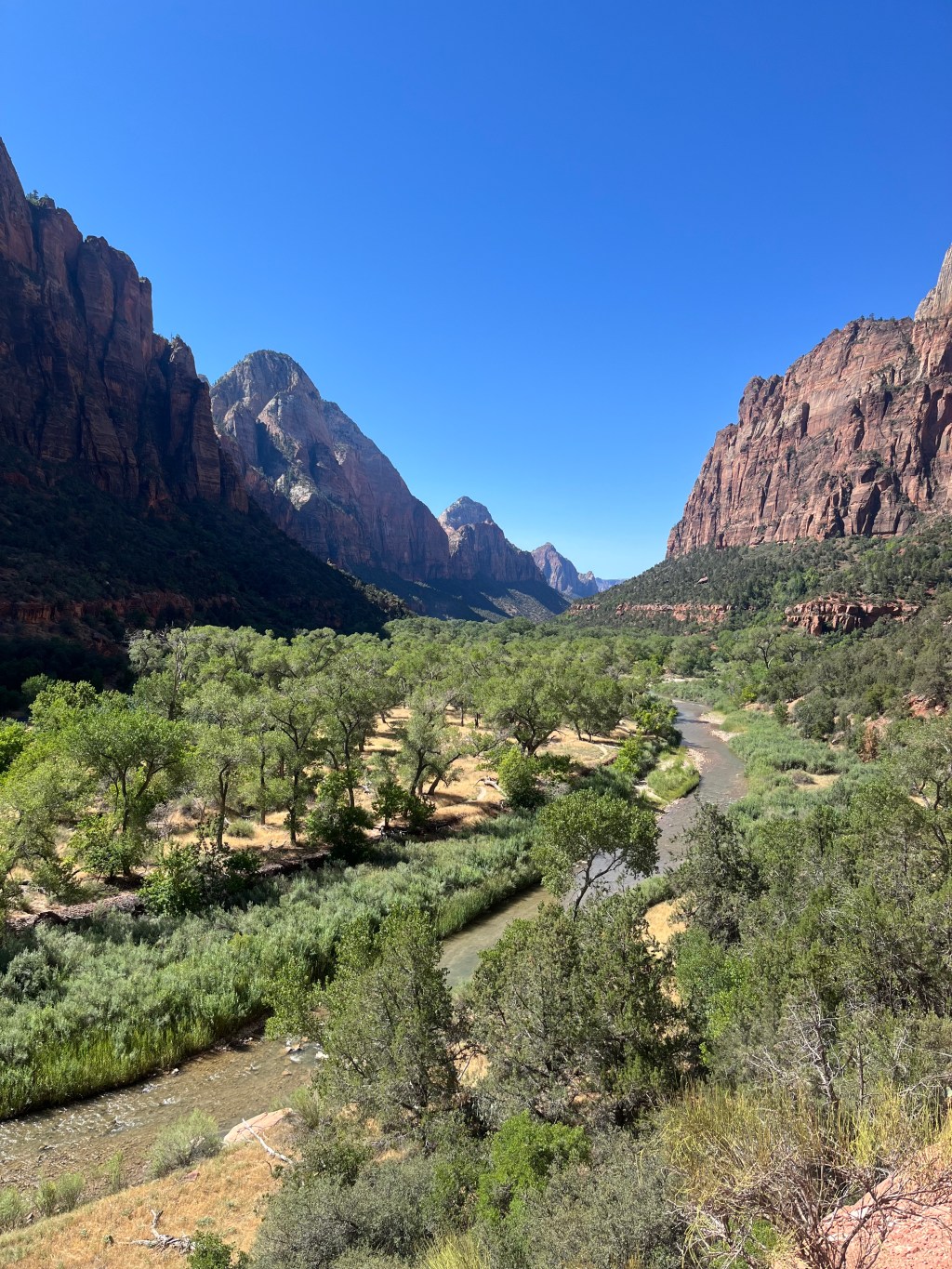
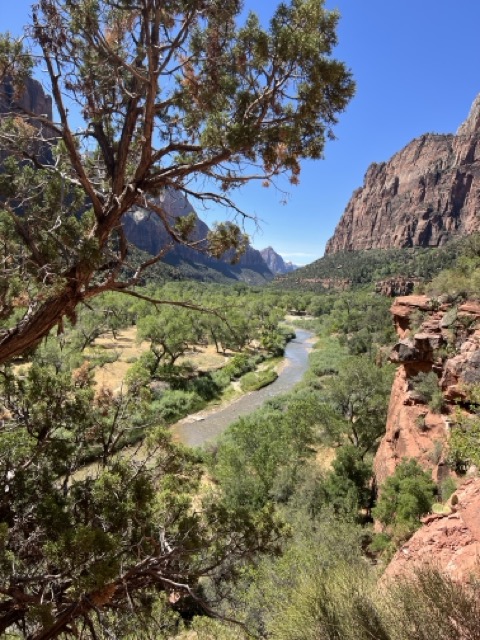
    Established in the early 1900’s, Zion National Park is Utah’s first national park and is known for huge pink, red, and cream sandstone cliffs. The Virgin River flows through the park, making for some gorgeous scenery. Angel’s Landing and the Narrows are two of the most famous hikes Zion has to offer.

    Getting There

    • Zion National Park is about a 2 hr 20 min drive from Las Vegas
    • Time Zone: Mountain Time (Note: 1 hour ahead of Las Vegas)
    • There are 3 entrances to the park:
      • Zion Canyon on the south side – most popular, with access to the shuttle
      • Kolob Canyons on the north side – separate from the main Zion Canyon area and not connected by the park shuttle. About an hour from the south entrance. Has hiking trails and a scenic drive.
      • Tunnel entrance on the East side – connects through to Bryce Canyon
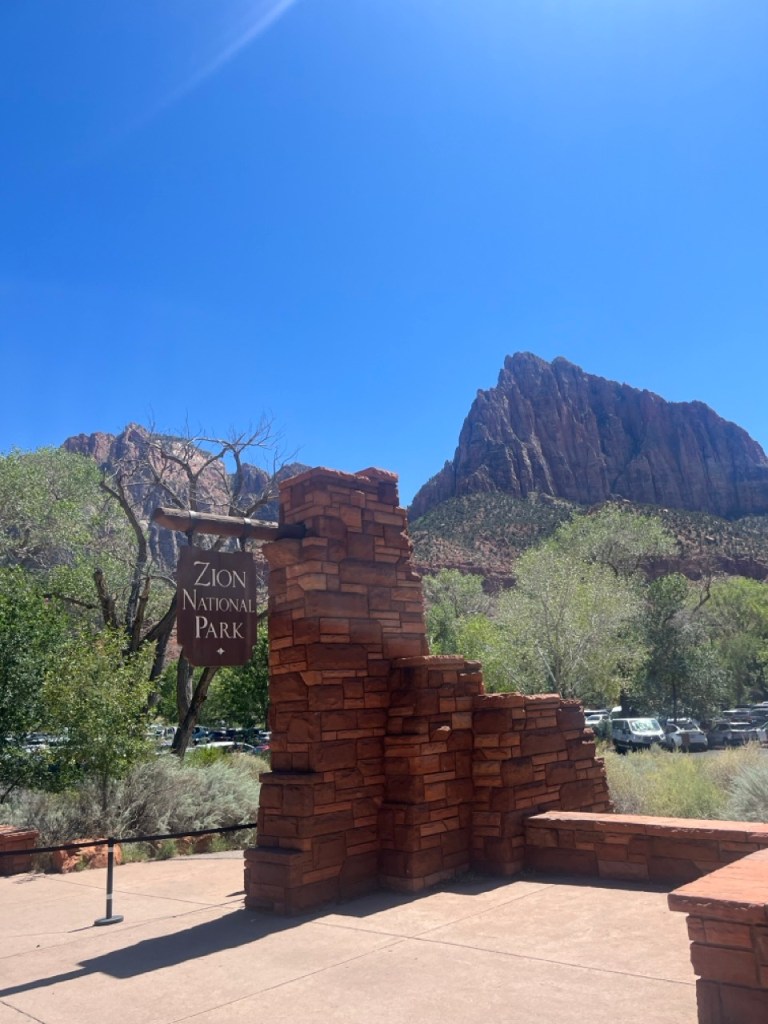
    • Springdale is the nearest city and sits right outside Zion Canyon Visitor Center, on the south side of the park, which is most likely the most convenient entrance to get to the activities you want to do at the park. From here you can catch the shuttle and the town has hotels, restaurants, and rentals. Some places are within walking distance to the Zion Canyon Visitor Center, where you can take the park shuttle to go throughout the park.

    Where to Stay

    For convenience, I’d recommend staying near Zion Canyon Visitor Center, on the south side of the park.

    Towns near Zion Canyon Visitor Center on the south side of the park:

    • Springdale is a cute, small town right outside the south entrance of the park. It has lots of hotels that are within walking distance to the Zion Canyon Visitor Center, where you can catch the shuttle to go aroudn the park (You cannot drive your own car through park and must use the shuttle system).
    • Hurricane is about 35 minutes from Zion Canyon Visitor Center
    • St. George is another option, about 1 hr away from Zion Canyon Visitor Center

    There is another entrance on the north side of the park.

    • Cedar City is a college town about 15 min from the north entrance of Zion NP (Kolob Canyon area). Note: You cannot drive from the north side of the park down to the south side, and this side does not connect to the shuttle system.

    Hikes

    • *Watchman Trail – Catch at Visitors Center. Nice easy hike with quintesential Zion views.
    • *Canyon Overlook Trail – 1 mile out-and-back trail with about 160 feet of
      elevation gain (must hike for first time visitors)
    • The Narrows – Iconic hike. Take 45 min shuttle to trailhead. The Riverside Walk begins at the Temple of Sinawava, which is the end of the Zion Canyon Scenic Drive and shuttle stop #9. 2 mile hike on Riverside Walk Trail. Hike narrows as far as you want and turnaround (Orderville Junction is the limit – 2 hours up stream). We didn’t end up doing this hike – check bacteria levels before you go. But I wish we had! Iconic hike. You can rent gear (waterproof shoes and socks and a stick in the town right outside the park) – gear is recommended. For colder weather, you can rent coveralls.
    • *Emerald Pools Trail – Great view of Virgin River
    • Angels Landing (permit needed) – Iconic hike, famous for a section of the hike with chain guardrails. Could be a bit scary, especially in the narrow portions as the trail gets crowded with people.
    • East to Overlook Watch (higher view of Angels Landing)
    • Check out Joe’s Guide for hiking recommendations

    *Hikes we completed on our trip

    Activities

    Besides hiking, consider these other activities:

    Restaurants

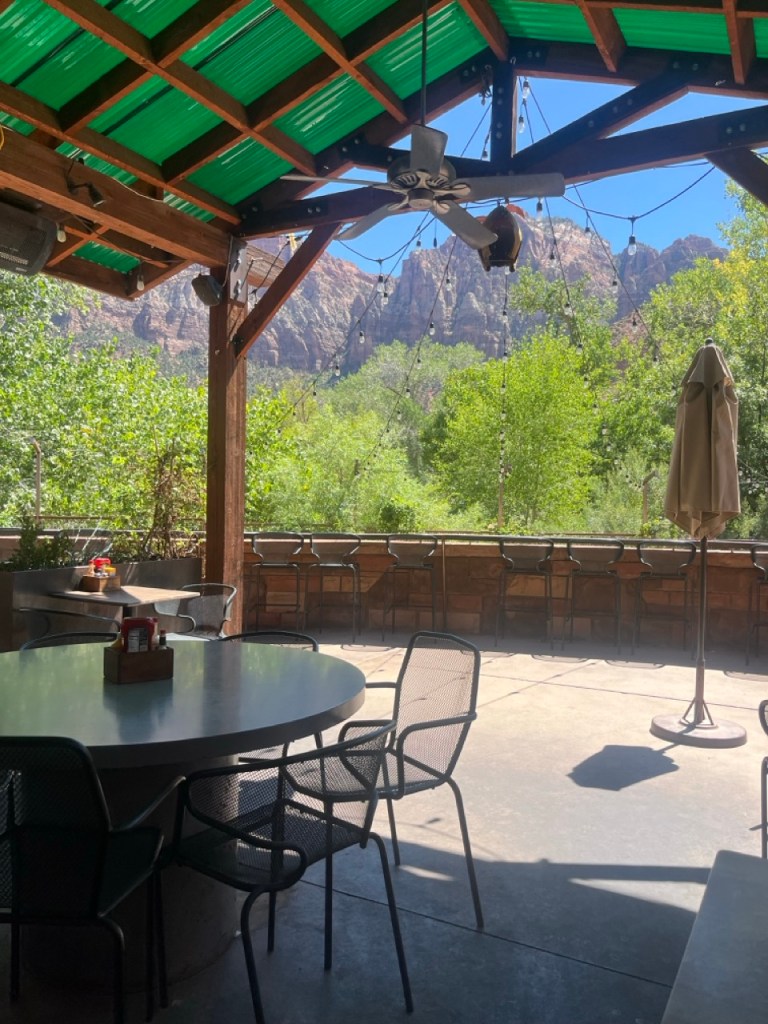
    • Zion Brewpub – We visited here for an apres hike lunch. Good burgers and beer and a wonderful view of the park. Within walking distance of the Zion Canyon Visitor Center.

    Recommendations

    • Rentals – Check out Zion Guru, Zion Outfitters – if renting gear for the Narrows, you can pick up the gear the night before
    • Parking at the Zion Canyon Visitor Center – get there early! The parking lot is fairly large but some blogs recommend getting there even by 7:30 am! Since private vehicles are not allowed in most areas of the park, you must park and take the Zion shuttle system from the visitor center. We visited in late August and got to the lot around 8 am and there were still plenty of spots but plan to get an early start.
    • Other great resources:
      • Check out the We’re In the Rockies blog for very thorough and helpful info
      • Watched YouTube videos of people hiking the Narrows to get a feel for the experience

    Next Stop

    Planning a Grand Circle National Park adventure? Our next stop was Bryce Canyon National Park.

    Getting to Bryce Canyon National Park:

    • Exit the park by following the signs for the Zion-Mount Carmel Tunnel; this is the scenic drive to Bryce. Note: There are some restrictions for oversize vehicles so make sure to check the National Park website for these restrictions and to get a permit, if needed.
    • The drive from Zion Canyon Visitor Center to the Bryce Canyon Visitor Center will be about 2 hours, taking this scenic drive.
  • Grand Circle National Parks Road Trip Planner

    With incredible scenery and incredible hikes, one of my absolute favorite places to visit in the United States is the Southwest. So it’s no surprise that the Grand Circle is one of my favorite trips ever!

    If you’re planning your own trip, read on below to find my personal recommendations and highlights for where to stay, which parks you should spend more time at, my favorite hikes, hidden gems along the route, resources to help plan your trip, and more!

    @2025 Blue Skies Sunny Days Media. All Rights Reserved.

    What is the Grand Circle?

    The AI Overview on Google sums this up pretty well: “The Grand Circle is a classic American Southwest road trip that loops through numerous national parks and other scenic areas in Utah, Arizona, Colorado, Nevada, and New Mexico. It is known for its stunning geology, including massive canyons, natural arches, and hoodoos, as well as its rich Native American history. While specific itineraries vary, a popular route covers parks like  Zion, Bryce Canyon, Arches, Canyonlands, Capital Reef, and the Canyon Canyon, often taking at least two weeks to complete. Primarily spans southern Utah and northern Arizona, with some itineraries also including parts of Colorado, New Mexico, and Nevada.”

    Grand Circle Locations Included in this Post

    The rest of the post includes an overview of my recent Grand Circle trip and provides recommendations on how to start planning your own trip. Dig deeper by clicking the links on the locations below for detailed information on each stop along my Grand Circle route:

    • Zion National Park
    • Bryce National Park
    • Capitol Reef National Park
    • Goblin Valley State Park
    • Canyonlands National Park
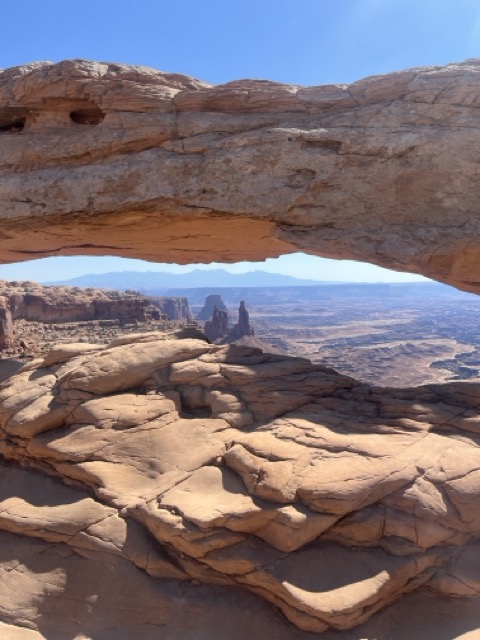
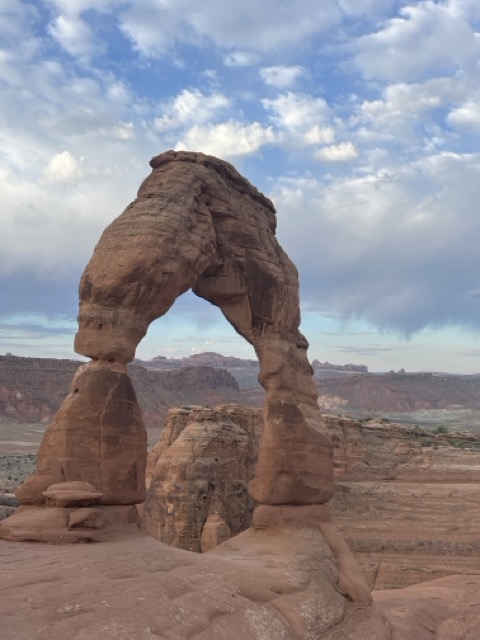
    • Arches National Park
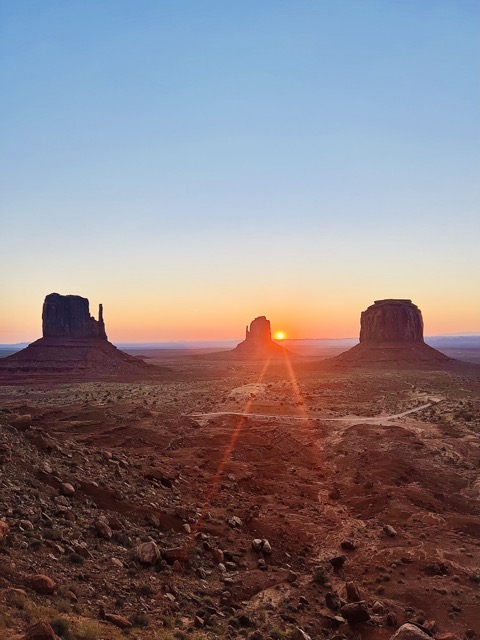
    • Monument Valley
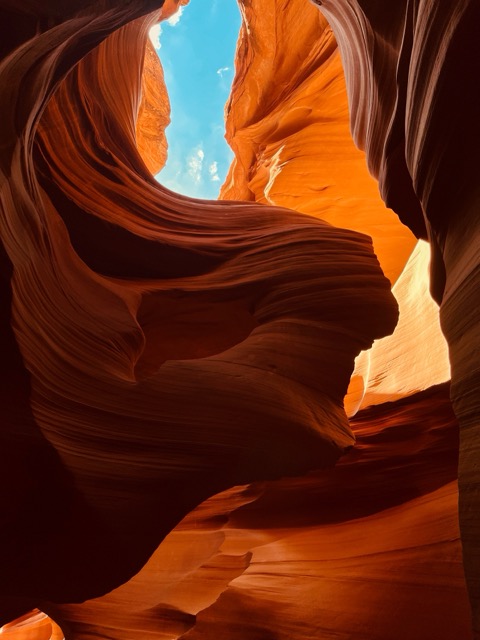
    • Antelope Canyon
    • Lake Powell / Horsehoe Bend (Page, AZ)
    • Grand Canyon
    • Las Vegas

    Planning Your Itinerary

    There are many different routes you can travel along the Grand Circle and you can shorten / lengthen your trip to fit the amount of time you have available. My partner and I made our trip in late August 2024. Below is our itinerary as we did it, and I’ll tell you more about any modifications and adjustments I’d recommend as you read on about each park.

    9-Day Grand Circle Itinerary

    • Day 1 – Stay near Zion (South Entrance): Arrive in Las Vegas – Drive 2.5 hrs to Zion National Park
    • Day 2 – Stay near Capitol Reef: Zion National Park in the AM; Drive 1.30 hrs to Bryce National Park & explore; Drive 2.25 hrs to Capitol Reef National Park
    • Day 3 – Stay in Moab: Explore Capitol Reef National Park; stop for lunch in Hanksville; drive 1.25 hrs for pit stop at Goblin Valley State Park; drive 1.75 hrs to Moab
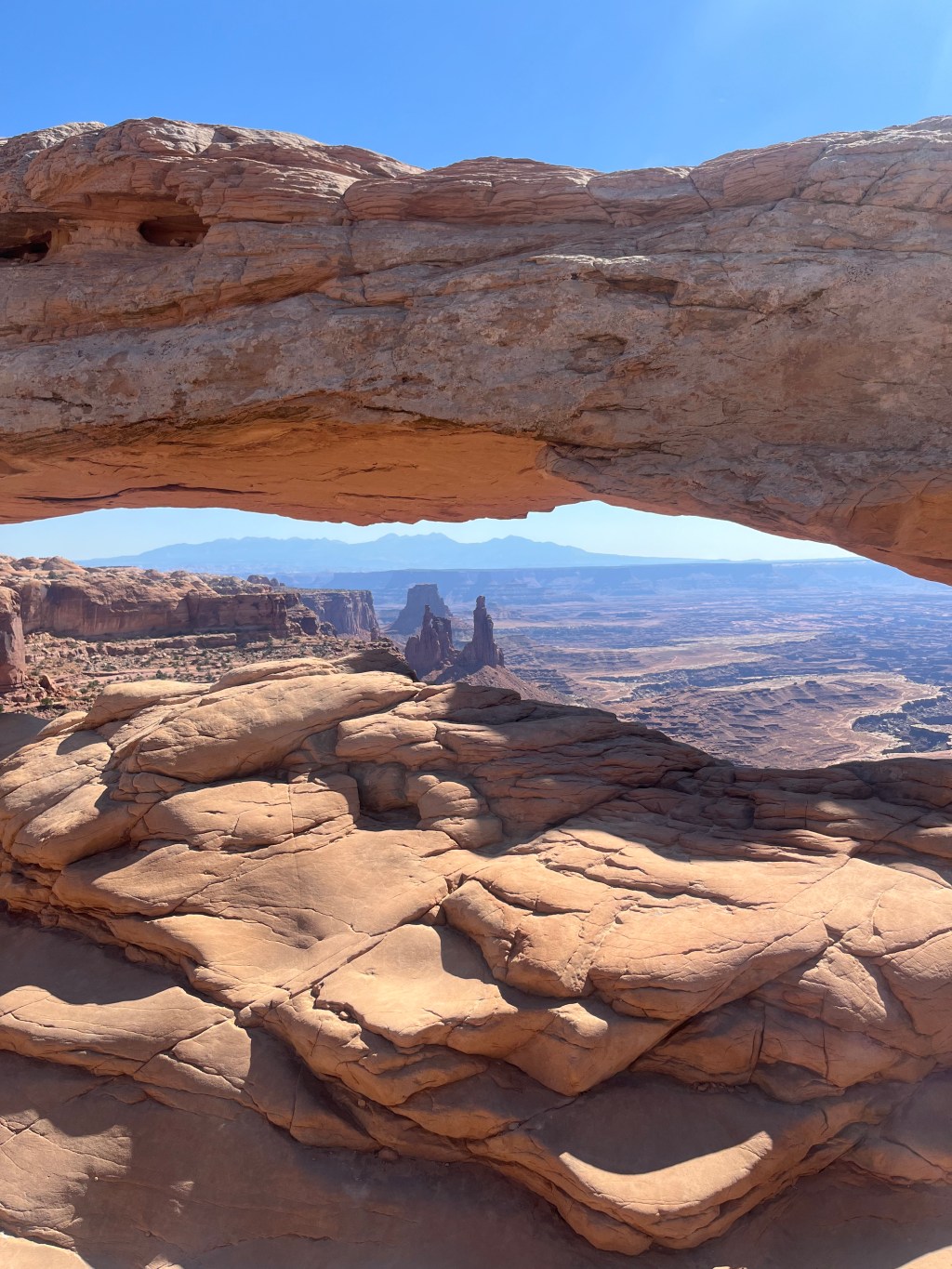
    • Day 4 – Stay in Moab: Drive 30 min to Canyonlands National Park & explore; late lunch in Moab (if you can make it before going back to Moab for food, Dead Horse State Park is recommended for a visit, right outside Canyonlands, or it will be 30 min from Moab); stargazing in Arches National Park
    • Day 5 – Stay in Monument Valley: Drive 10 min to Arches National Park & explore; drive 3 hrs 15 min to Monument Valley; Stop for a Forest Gump picture 20 min from Monument Valley; explore Monument Valley
    • Day 6 – Stay in Page, Arizona: Drive 2 hrs to Antelope Canyon; visit Lake Powell; sunset at Horseshoe Bend
    • Day 7 – Stay near Grand Canyon (South Rim): Drive 2.5 hrs to south rim of Grand Canyon National Park & explore; stargaze at the Grand Canyon that night
    • Day 8 – Stay in Las Vegas: Drive 3.30 min to Hoover Dam; drive 40 min to Las Vegas & explore
    • Day 9: Depart home

    If I had to adjust the intinerary above, I’d recommend staying a second night in Zion. This was one of my favorite parks and I would have loved to have a full day in the park! I’d also recommend staying the night in Bryce instead of continuing on to Capitol Reef and trying to fit 3 parks in on the same day (see Day 2 above). If you have more time, there are more places you can add on in Colorado, such as Mesa Verde. There are also lots of other great state parks to add in along the way as well.

    Itinerary Planning Recommendations

    My key itinerary-related recommendations when planning your own trip:

    • Airports / Itinerary Length: Figure out which airport makes sense to fly into and out of. You don’t have to fly in and out of the same airport or even through Las Vegas. I had a friend that only had 5 days for a trip. She flew into Vegas, completed the itinerary above through Moab and then flew out of Salt Lake City. Albuquerque and Phoenix are other major airports on the route. There are also a few smaller airports, closer to the national parks you could explore.
    • Transportation/Hotels: For our trip, we rented a car and stayed at mostly Holiday Inn Expresses because they have breakfast included, and we could earn points by staying loyal to one hotel chain. Other options are to stay at AirBnBs, rent a camper and stay at campgrounds, and many places even have “glamping” options where you can stay in a covered wagon or yurt under the stars.
    • Drive Time: Our itinerary covered about 1,000 miles! For us, our appetite for driving was to not be in the car longer than about 2 hours at one time. Our longest drive ended up being about 3 and a half hrs at the end of the trip to get back to the Las Vegas area. Think about how long you want to be in the car to get to your next location and plan your stops/hotel stays accordingly. Luckily, the scenery is beautiful and the drives are mostly easy (only a few portions going up mountains) so that helps the time pass by quickly.
    • Zion Multiple Park Entrances: For Zion NP, definitely stay near the South entrance, near Springdale. Springdale is a cute, touristy town right outside the park and many of the hotels are walkable right to the Visitors Center. The South entrance is the best way to get to most of the key highlights I’ll write about and that you’ll see recommended online. There is also a north entrance that looks like it’s conveniently in the middle of Zion and Bryce NPs but the North Entrance of Zion NP does NOT connect to the South entrance.
    • Grand Canyon Multiple Rims: For the Grand Canyon, note that there are multiple rims you can visit (North, South, and West, which is owned by the Hualapai Tribe). The South is the most visited and where we stayed for this trip. As of Oct 2025, the North Rim is only partially reopen, after closing in July 2025 due to the Dragon Bravo wildfire. Check the driving time between your previous and next stop to decide which rim makes the most sense to visit.
    • Time Zone Change: You will likely switch between Pacific Time and Mountain Time throughout your trip. For us, that especially came into play when we flew into Las Vegas and then drove directly to Zion NP in Utah, which is on Mountain Time, meaning we lost an hour. Another interesting thing to note: Arizona does not follow daylight savings time (DST) meaning you could be on “Pacific Time” or “Mountain Time” depending on the time of year. If you visit Monument Valley in Arizona, which is on the Navajo Nation, note that the Navajo Nation does follow daylight savings time, which means that during DST (roughly March to Nov), Monument Valley would be one hour ahead of other locations in Arizona and would be the same time as locations in Utah.

    Favorite Hikes

    Just remember, there is no end to the different hikes you can do. We like to do 3-4 mile hikes. Our goal was to complete a quintessential hike at each national park. Here are our favorites that definitely showed off what that park has to offer:

    • Zion: Emerald Pools Trail – 1.8 miles RT to Middle Pool (various lengths)
    • Bryce: Navago Loop Trail, paired with Queens Garden Trail – 2.9 miles RT with 600 ft elevation
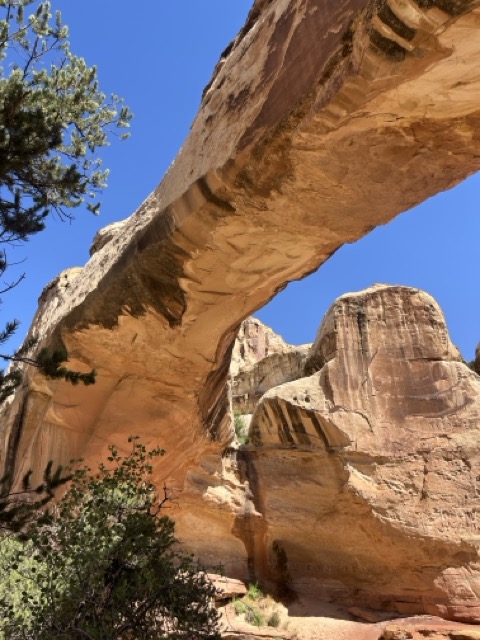
    • Capitol Reef: Hickman Bridge Trail – 1.7 miles RT
    • Canyonlands: White Rim Overlook Trail – 1.8 miles RT with only 159 ft of elevation gain
    • Arches: Delicate Arch sunrise hike – 3.4 miles and 480 ft elevation gain (includes rock scramble)
    • Grand Canyon: South Kaibab Trial to Oo Aah Point – 1.8 miles RT

    Hidden Gems

    Below are some of our favorite hidden gems from across all the places we visited:

    • Thai Bella – Dinner in Moab
    • Stargaze at a Dark Sky Park (or two!)
    • Drive from Capitol Reef to Moab – very scenic! Stop at Hanksville for lunch at at Outlaws Roost for Mexican food & margaritas
    • Fruit Pies at Gifford Homestead in Capitol Reef (pies are baked using fruit from an orchard right inside the national park
    • Hiking to Delicate Arch at sunrise (perhaps not a hidden gem but still very cool to do at sunrise!)
    • White Rim Overlook Trail at Canyonlands – 1.8 mile RT hike has awesome views and we had the hike all to ourselves

    Be Prepared

    Here’s some advice to help you plan a smooth trip:

    • Timed entry permits – Some parks may require a timed entry permit, which is in addition to purchasing a national parks pass to enter the park. The timed permits give you a certain block of time when you can enter the park for the day and you can stay as long as you wish. For our trip, Arches National Park was the only park that required a timed entry permit. You should reserve these in advance, ASAP, as they can sell out. If there are no timed entry permits available, then more are relased at 5 pm the day before you need the permit…but log in right when they are released so you don’t miss them. If there is a timed permit requirement, often you can enter before or after a certain time (e.g., before 8 am or after 4 pm) and get in the park without a timed entry permit. Visit Nps.gov or Recreation.gov web sites to look up current requirements.
    • Water – It’s very important to bring enough water with you while you’re hiking, especially if you’re going during hotter weather. Even in late August, there were constant reminders from staff and signage to hike with enough water, which is one liter per hour hiking or one gallon per day. My husband and I each brought a 32 oz Nalgene and a 16 oz Nalgene, which we were able to easily fill up. All of our hotels and all of the National Park visitor centers have water bottle refill stations, so we didn’t even need to buy bottled water.
    • Grocery stores – In Moab, grocery stores sell beer but they don’t sell wine! You’ll have to go to a liquor store if you’re looking to split a bottle of wine for an apres hike treat.
    • Get an early start to your day – Many blogs and sites will recommend arriving before/around 8 am at the visitor center parking lots as they can fill up very quickly (most notably Zion NP). At some parks, you may have to take a shuttle around (Zion and Grand Canyon), while others are less crowded and you are able to drive around in your own car (Bryce, Capitol Reef, Arches)
    • Restaurants close early – Just be aware, especially if you’re arriving late to a new location, that restaurants don’t stay open super late and there are often not a lot of options. For example, we had planned to grab dinner after our hike in Bryce NP before we continued to Capitol Reef but we couldn’t find many options and had to drive to Capitol Reef. We got in maybe around 9 pm and the only restaurant still open was a pizza place (which luckily was good!)
    • Bring snacks – Most of the national parks on this trip don’t have food options inside the park. Especially if you want to get in hiking without leaving the park, you’ll want to bring enough snacks or bring your own food for lunch inside the park. We did fine by having breakfast at the hotel before we headed out in the morning (can’t recommend finding hotels with breakfast included enough!), bringing snacks to eat while hiking (protein bars, goldfish, etc.), and then having late lunches as we continued our drives. My friend brought a collapsible cooler in her suitcase and then bought lunch provisions after she arrived in Vegas.

    Additional Resources

    When I was researching for the trip, there are several resources I used to help compile information and recommendations:

    • A Complete Guide to the Grand Circle National Parks – I’m a huge fan of Rick Steves but Rick Steves does not cover the United States. I’d recommend this travel guide – super detailed and easy to read/follow. Very helpful!
    • Reddit – especially great for hikes and restaurants. Just add “reddit” to the end of your google search to pull up related posts
    • Podcasts – I’d look for the “Grand Circle” and specific national parks to learn more. Lots of good podcasts with people talking about recommendations for visiting the national parks
    • Google search – read through multiple blogs looking for common Grand Circle interaries and routes and to get hiking recommendations
    • Alltrails – Good resource to look up ratings for specific hikes